What the *^## is Antiphospholipid Syndrome–APS?

I felt like the doomed heroine of a bad sci-fi flick, zapped by zeta rays from planet Krypton when, a few weeks after my stroke, I first heard my unpronounceable, incomprehensible diagnosis: ‘antiphospholipid syndrome.’ I’d never heard of APS. Nobody I knew had ever heard of APS, even most of my doctors had never heard of APS. Many of them still havn’t.   Excerpt from Anne’s memoir
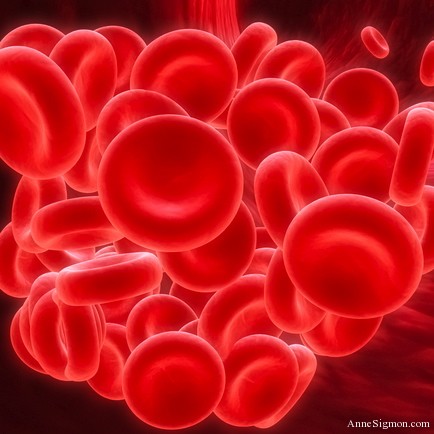
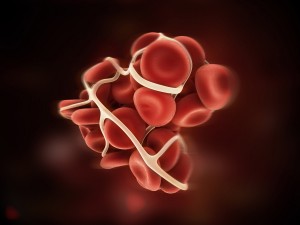
Anne AS log min text rev 3APS is sometimes called “sticky blood” because it causes an increased tendency to form blood clots in the veins and arteries. Clotting can lead to serious health complications ranging from miscarriages and migraine headaches to blood clots in the legs, in the lungs, heart attacks or, in my case and many others’, stroke.

Here are some important facts about Antiphospholipid Syndrome:

  • APS is a blood clotting disorder that causes the blood to clot when it shouldn’t.
  • It does this by signaling the immune system to make antibodies to attack blood proteins called phospholipids (phos-pho-lipids). These proteins help moderate the body’s natural blood-clotting process so it stops when it should. Thus the name: anti (against) phos-pho-lipids.
  • I think of it this way: the APS antibodies are like out of control PacMen, dashing through my blood gobbling up the good little minions who help put the brakes on my clotting system.
  • In the UK, APS is called Hughes Syndrome, named after Dr. Graham Hughes, the professor and Lupus specialist who first described APS in 1983. I rather wish we called it Hughes Syndrome in the US, too. It’s a lot easier to learn and think about something I can pronounce.APS awareness month stamp
  • APS is a common cause of miscarriage, blood clots in the legs (deep vein thrombosis), the lungs (pulmonary embolism), the heart (heart attack), and the brain (stroke).
  • APS is also an autoimmune disease, because the antibodies that attack our blood proteins are attacking parts the ‘self’ instead of invading organisms like virus and bacteria.
  • Like lupus and other autoimmune diseases, APS can “flare” at times, causing weakness, fatigue, achy muscles and joints, especially when we’re tired or stressed.
  • Because most patients with APS take some kind of bloodthinner, we must try hard to avoid bleeding accidents. For some of us, this is one of the most vexing aspects of the disease: walking a line between blood that’s so “thick” it causes clots, or so “thin” it causes abnormal bleeding.
  • APS is sometimes found in conjunction with other autoimmune diseases, particularly lupus.  It’s estimated that 50% of Lupus patients also have APS. (Johns Hopkins Lupus Center)
  • APS can also occur on its own. This is called primary APS.


Learn more about antiphospholipid syndrome on the APS resources page.

Coming up—Information on:

  • APS symptoms
  • How APS is diagnosed
  • How APS is treated
  • Clearing up confusion about APS: Questions I frequently hear from other  patients
  • Resources for APS patients
  • Blood thinning: it’s more complicated than it looks
  • Living with Coumadin
  • Why I rejected the new blood thinners like Xaralto.
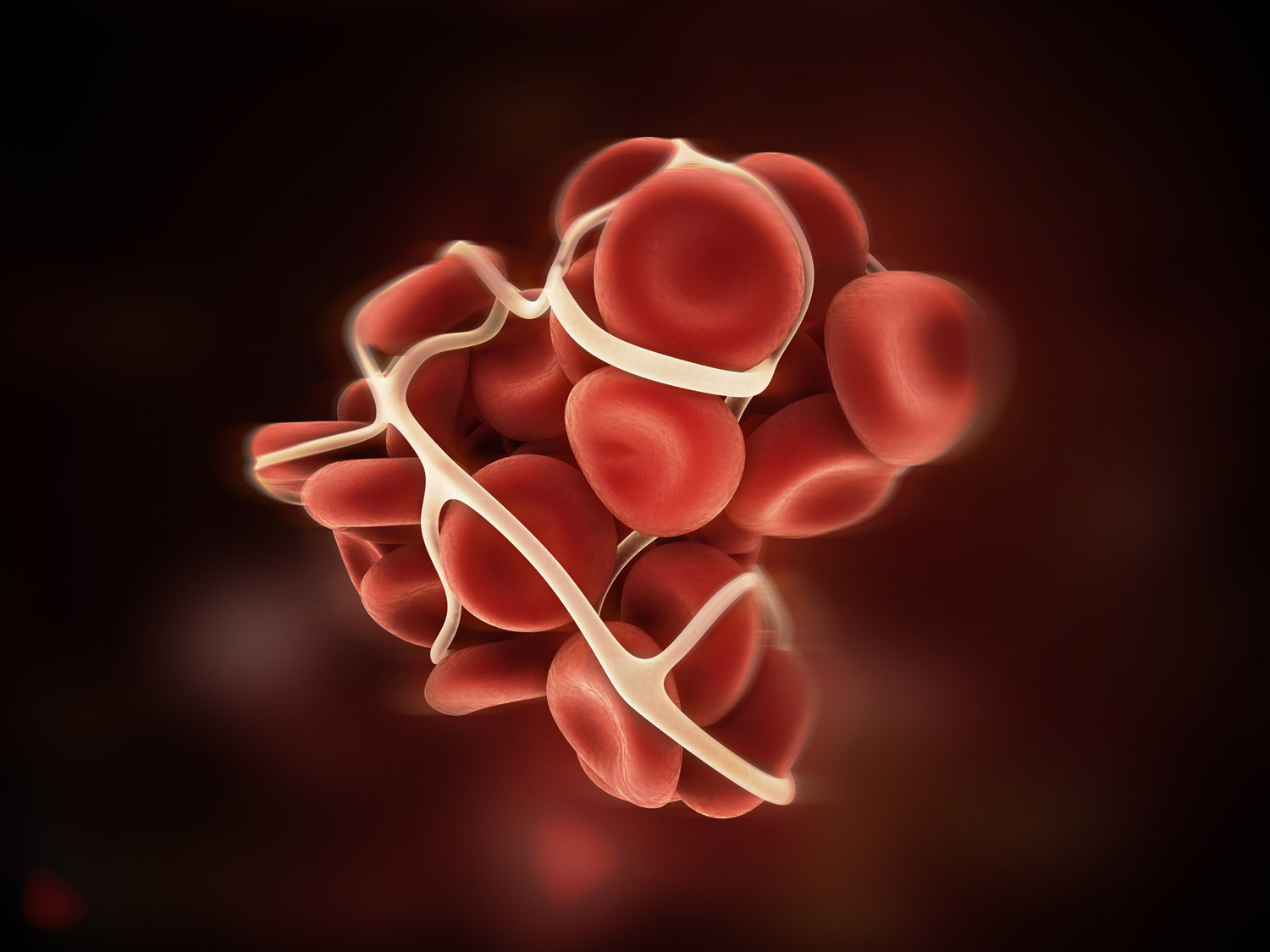
 

Blood clots can kill. Know your risks and manage them.


Blood clots are no joke.

The toll is staggering: More than two million people in the US suffer serious blood clots each year, from deep vein thrombosis (DVT), pulmonary embolism (PE) or stroke.

Almost half a million of them die.

The most important way to protect yourself is to know your risks and manage them.

I had no idea I was at risk for blood clots until I had an ischemic (caused by a clot) stroke. Even as it happened, as the paramedics and the neurologist were telling I was having a stroke, I knew they were wrong:

Of course I’m not having a stroke, I wanted to tell him. Strokes are for the elderly, for smokers, for overweight couch potatoes. I’m forty-eight years old, fit, and perfectly healthy. But the words were trapped in my head.

Excerpt from Scrambing Back

I was the one who was wrong that day. I was fit, but I had several risk factors for blood clots that had never crossed my mind.

The first step in preventing blood clots is to know your risk.

Risk factors for blood clots:

  • Being over 60 years old
  • Having cancer
  • Obesity, especially with a BMI (body mass index) of 30 or more
  • Dehydration
  • Thrombophilia —any a condition that causes your blood to clot more easily than normal. Common causes of thrombophilia include:
    — genetic mutations such as Factor V Leiden, prothrombin 20210, or protein C or protein S deficiency
    — Acquired blood-clotting disorders such as antiphospholipid syndrome (APS)
    — High levels of homocysteine in the blood
  • Health problems such as heart disease, lung problems, or a serious infection
  • Having an autoimmune disease or another inflammatory condition
  • Personal history of blood clots: deep vein thrombosis (DVT),  pulmonary embolism (PE),  or stroke
  • Family history of blood clots
  • Taking birth control pills containing estrogen
  • Using hormone replacement therapy (HRT)
  • Varicose veins with phlebitis (inflammation)
  • Being pregnant or having given birth within the past 6 weeks
  • Being less mobile than normal, especially if you move around very little for more than 3 days
  • Having abdominal surgery or surgery for an inflammatory condition
  • Having any surgery that lasts more than an hour and a half, or more than an hour if it involves your legs or pelvis.

Learn more about the risk and prevention of blood clots here:

Mayo Clinic: Risk Factors for DVT  and Risk Factors for Pulmonary Embolism

Lund University: Increased risk of blood clots on the lung (PE) for patients with autoimmune diseases

Clot Connect, sponsored by the Hemophilia and Thrombosis Center at the University of North Carolina at Chapel Hill: Symptoms, Risk Factors and Prevention

APS Foundation of America:  Risk Factors for DVT

Prevent DVT.org: Assess Your DVT Risk

Coming next week on AnneSigmon.com: Strategies for preventing blood clots

Trouble Spelling After a Stroke? New Research Tells Us Why


Spellings ABCsFrom winning spelling bees in grammar school to my jobs as writer and editor, I’d always been a good speller. That ability vanished in the aftermath of my stroke. I worked hard on my “deficits”after the stroke,  and there were many. I grappled for words, stuttered as a struggled to pronounce them, battled to hit the right letters on the keyboard, and fought to spell even simple words.

Today, thirteen years later, I’ve recovered so much, and I am truly grateful. But I still have trouble spelling. Not just the hard words, either. Sometimes it’s a word as simple as “because” or “weather.” New research may help explain why.

A  study by Johns Hopkins neuroscientists is uncovering the source of the damage that causes spelling difficulties after stroke. Surprisingly, it’s not one source but several.

By studying stroke victims who have lost the ability to spell, researchers have pinpointed the parts of the brain that control how we write words.

“When something goes wrong with spelling, it’s not one thing that always happens — different things can happen and they come from different breakdowns in the brain’s machinery,” said lead author Brenda Rapp, a professor in the Johns Hopkins Department of Cognitive Sciences. “Depending on what part breaks, you’ll have different symptoms.

“With long-term memory difficulties, people can’t remember how to spell words they used to know and tend to make educated guesses,” she said. “With working memory issues, people know how to spell words but they have trouble choosing the correct letters or assembling the letters in the correct order.”

These two sources of difficulty come from damage to very different parts of the brain, the study shows.

“I was surprised to see how distant and distinct the brain regions are that support these two sub-components of the writing process,” Rapp said.

Spelling research

Left: A composite image showing the brain lesions of people with spelling difficulty after strokes. Right: An image of a healthy brain depicting the regions typically active during spelling.   Credit: Johns Hopkins University

These findings offer some of the first clear evidence of how the brain spells, an understanding that could lead to improved behavioral treatments after brain damage and more effective ways to teach spelling.

More information about the Johns Hopkins study can be found here:

http://bit.ly/1QH9lXi


Celebrating in Stone at BestTravelWriting.com


Celebration time: I’m honored that my travel essay, “Moorstones,” is featured beginning today as the “editor’s choice” on the TravelersTales.com website and on BestTravelWriting.com. The story recounts my visits to the enigmatic ancient stone shrine at Trethevy in Cornwall trethevy-quoit-on-bodwin-moor-07and to the Cathedral at Exeter.

“Moorstones” was originally published last year in the travel anthology Wandering in Cornwall: Mystery, Mirth, and Transformation in the Land of the Ancient Celts. The story won a silver Solas Award from Travelers’ Tales earlier this year.

You can find “Moorstones” (and many other great travel stories) here:
Best Travel Writing.comhttp://bit.ly/2gBC0EAs/

The Wandering in Cornwall anthology is available in book stores (including my favorite, Book Passage http://bit.ly/2hHFdyx) and on Amazon.com.

Travel Writing Awards Season Finds Me

Travelers' TalesThe Oscars aren’t the only awards this season. Much dearer to my heart are the annual Solas Awards for Best Travel Writing, sponsored each year by Travelers’ Tales. The 10th annual Solas awards were announced yesterday and I’m thrilled  that my essay “Moorstones” won a silver. It recounts my visit to the enigmatic ancient stone shrine at Trethevy in Cornwall and the Cathedral at Exeter. You can read “Moorstones” in the travel anthology Wandering in Cornwall: Mystery, Mirth, and Transformation in the Land of the Ancient Celts.

Another of my stories in that anthology, “Driving Me Mad,” won recognition from this year’s Soul-Making Keats Literary Competition.

The book Wandering in Cornwall is available from Book Passage (our favorite independent book store), other bookstores, or Amazon.com.

Congrats for Solas Awards also to my friend and fellow Wanderlander MJ Pramik, who cleaned up with four awards! Congrats also to Rosie Cohan, Erin Byrne, Michael Shapiro, Tania Amochaev and many others. And thanks to Larry Habegger and Travelers’ Tales for the recognition.The full list is here. http://bit.ly/1QrzMy3

Time to Celebrate: New Bradt Guides Anthology Includes Stories By Anne Sigmon and MJ Pramik


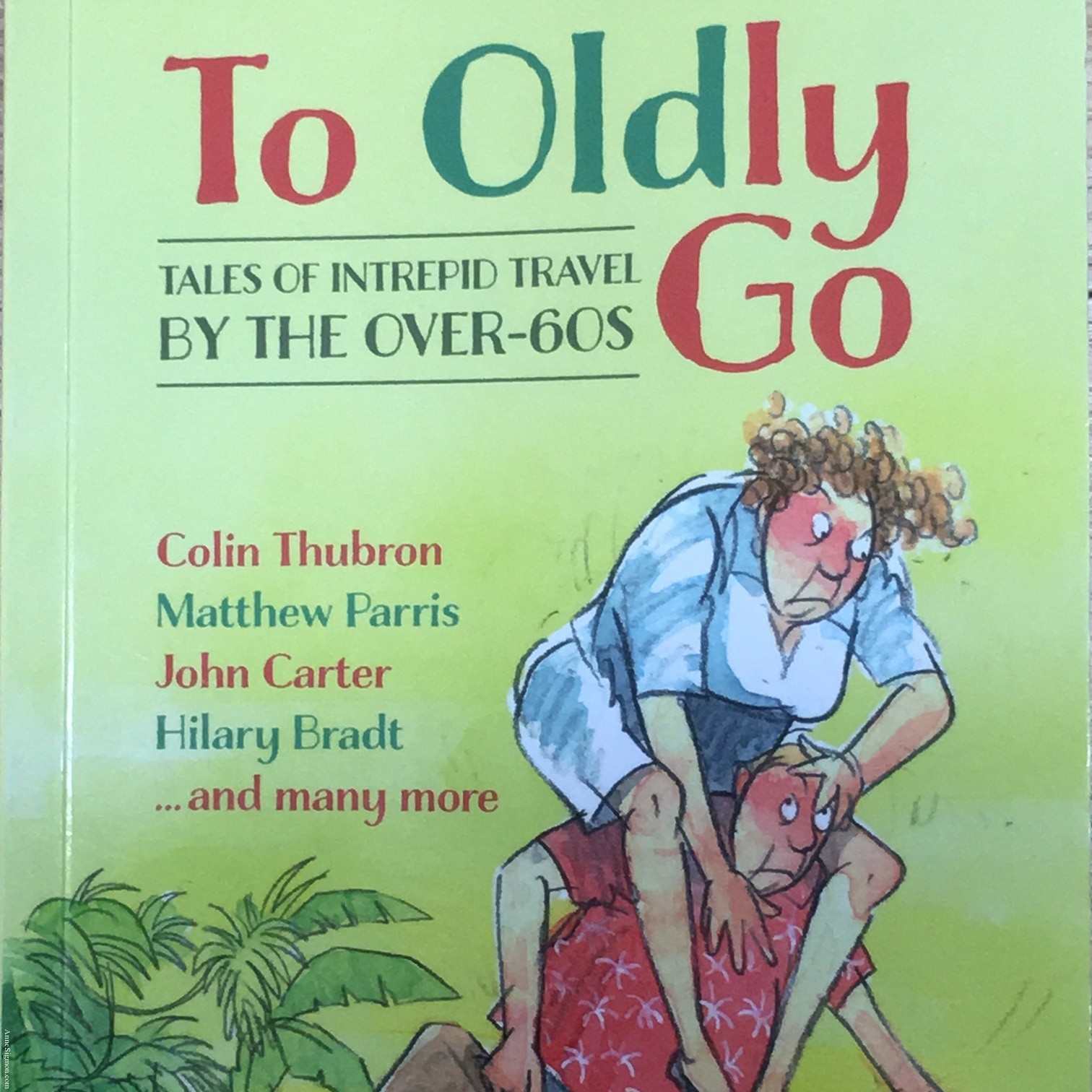
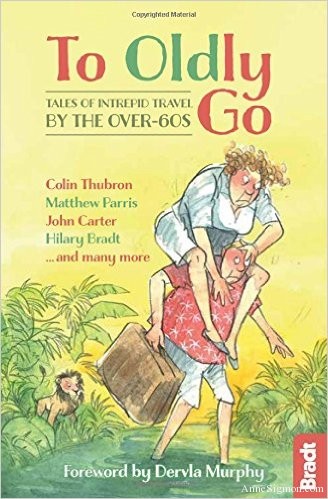
I and my greTo Oldly Go Book Coverat writing friend MJ Pramik are delighted to join distinguished British and international travel writers between the covers of the new travel anthology To Oldly Go, just published in the US by Bradt Guides.

While we don’t really think of ourselves as “oldlys,” we’re proud to be part of this collection of 41 true travel tales from the over-60 crowd: Dervla Murphy traveling in Cuba at the age of 74, Matthew Parris swimming the Thames at 60, and Colin Thubron climbing the last stronghold of the Assassins.

From the publisher: To Oldly Go is a collection of challenging and unusual travel escapades by the over-60s. Some stories are thrilling, some thought-provoking, and some just plain fun, but all celebrate an irrepressible appetite among people who refuse to retire quietly… These writers who defying expectations—and the odds—venturing outside their comfort zones onto a less-travelled path.

From Alaska to Zimbabwe, the writers walked, cycled, canoed, and climbed their way into adventure on the road.

My story in the book is “The Hat,” about some of the challenges—and unexpected rewards—of trying to keep up with my husband’s insatiable curiosity, and seemingly endless energy, while touring ancient Hindu temple in South India’s searing heat. That kind of debilitating heat was, my doctor had warned, strictly taboo for me—a stroke and autoimmune patient with water-thin blood.

MJ’s story is “Parahawking in Nepal,” her tale of setting aside her great fear of heights to take a running jump off a cliff in Nepal to glide in view of the Annapurna mountains in tandem with Kevin, a white-feathered Egyptian vulture with a five-foot wingspan. Kevin flew in to nibble water buffalo treats from MJ’s gloved hand while they soared hundreds of feet above the ground.

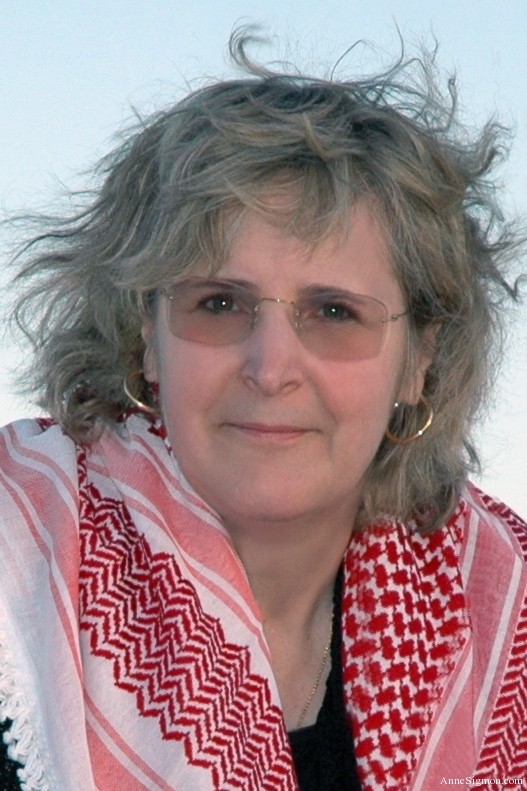
Anne at Wadi Rum Jordan 1210 - 12D
Anne Sigmon
MJ Pramik author headshot
MJ PRamik

MJ and I will participate in two upcoming event to celebrate publication of To Oldly Go.

  • On Sunday, February 21, 2016 , from 12  to 2 pm, we’ll appear on the radio program Lilycat on Stuff  on FCC Radio. We’ll talk with host Lilycat about travel, writing, and the new anthology. Lilycat is broadcasting from Studio 1-A. You can use this link to listen live. If you can’t tune in on Sunday, you can catch up with the podcast here.


  • On Thursday evening, March 3, Left Coast Writers will celebrate publication of the new anthology with a  book launch party at Book Passage’s San Francisco Store, 1 Ferry Building, San Francisco, CA 94111. Phone: (415) 835-1020. Start time is 6 pm.

There’ll be wine, international-themed snacks (including chocolate, of course!), prize drawings (could a Cuban cigar be involved?), music, and other surprises. MJ and Anne will read selections from their own stories and those of esteemed writers like Hilary Bradt, Colin Thubron, and Devla Murphy.

The party is free and open to the public, so come and bring your friends. It’s an easy walk from Embarcadero BART or the parking lot directly across the street (Ace Parking Washington at Embarcadero).

Hope to see you there.


Patient Survey about Blood Thinner Preferences

Blod clot 32 shutterstock_3010784 - Version 2Patients who take blood thinners because they’ve had deep vein thrombosis (DVT) or pulmonary embolism (PE) are being recruited for a new survey about blood thinner preferences.

The study is being conducted at the University of Minnesota by Dr. Pamela Lutsey.  The goal of the study is to learn more about patients’ concerns and preferences regarding blood thinner use for the treatment of DVT and PE.

According to Dr. Stephan Moll of the University of North Carolina, the results will help investigators better create future clinical studies to improve  treatment of DVT and PE.

DVY and PE patients can access the secure survey site here: z.umn.edu/vtesurvey.


Saying goodbye to a cool cat: Jazz trumpeter Art Juarez

       
It’s been a tough week helping my dear friend Ellen McCarthy plan the memorial for her husband, the uber-talented but laid-back cool band leader and jazz trumpeter Art Juarez, who died October 3 after a devastating war with kidney disease.
But sadness was put aside over the weekend as we gathered for a celebration of Art’s life. At the end of the many tributes from family and friends, three of Art’s jazz buddies brought down the house with a rousing rendition on trumpet and drums of “The Saints Go Marching In.” I have to believe Art would have loved that one.
Arthur F. Juarez
1941-2015
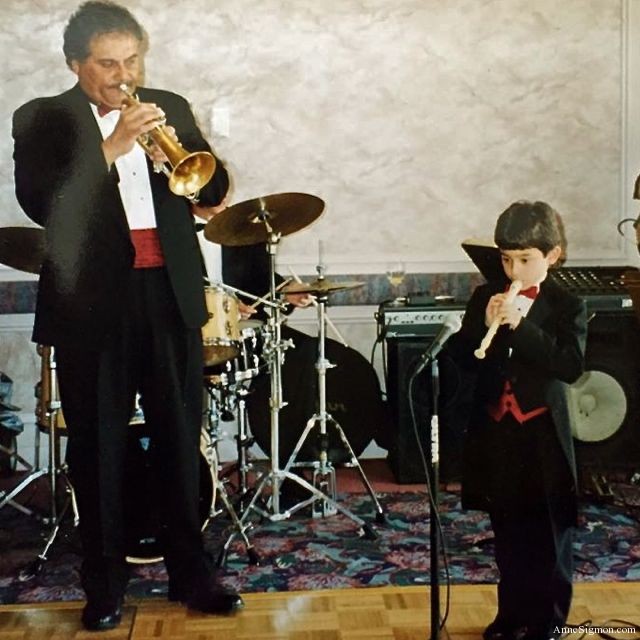
4 Art playing trumpet with Dom
Art playing with his son Dominic

Art Juarez, 73, Bay Area musician and long-time East Bay resident, died peacefully at home on October 3, 2015, surrounded by his family. The cause was kidney disease.

Born December 5, 1941, in Oakland, Art was drawn to music at an early age.  He took up the trumpet—always his favorite instrument—at age ten and soon joined the renowned California youth marching band, the Weldonians. After graduating from Fremont High School, he studied at the Berklee College of Music in Boston, Massachusetts.

Following college, Art moved to Nevada, where he spent a decade playing in top Las Vegas hotel show bands behind legends such as Frank Sinatra, Nina Simone, Anita O’Day, and Johnny Hartman.

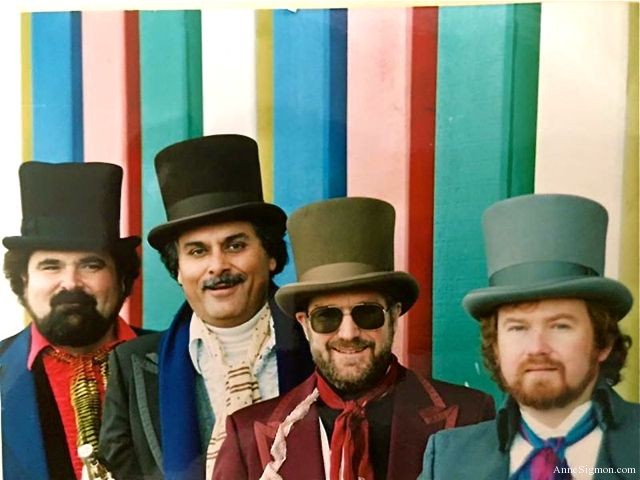
Art with his group The Fuglehorns

When he returned to the Bay Area, he served as assistant music director of the Peabody award-winning children’s TV series Villa Alegre, which appeared on PBS from 1973 to 1980. It was the first national bilingual (Spanish/English) program in the United States.

After leaving Villa Alegre, Art was named music director for the nationally syndicated TV news-magazine, Over Easy.  The Emmy-award-winning daily series ran on PBS from 1977-1982 and was hosted by Hugh Downs and Mary Martin.  As music director, Art scored music for documentaries and provided live bands to support the show’s musical performers.

1 Ellen & Art striped dress
Art and Ellen in the early eighties

While working at Over Easy Art met and later married his wife of 34 years, Ellen McCarthy.

Also during this time, Art founded Keynote Music Services, which provided live entertainment for private and business functions around the Bay Area. Keynote sponsored the holiday music group The Fabulous Flugelhorns, where Art and the group played his arrangements of holiday and other popular melodies. Under the Keynote umbrella, Art produced many short film soundtracks for the Walt Disney Network and independent producers. He also played in various Bay Area jazz, Dixieland, big band, and mariachi groups.

2 Art w 3 kids
Art with children (L-R) Avelia, Dominic, and Desiree

Toward the end of his life, Art enjoyed reminiscing about his musical journey and displayed an astonishing memory for musical scores and performances as well as people, places, and events. His talents reached beyond music. He was a creative photographer and had begun to write a humorous memoir when he became ill with kidney disease.

Art w Christian
Art with grandson Christian

Art is survived by his wife, Ellen McCarthy, daughters Avelia and Desiree Juarez, son Dominic Juarez, and grandson Christian Chavez.


My Introduction to Antiphospholipid Syndrome

EDITED APS living with


My experience with Antiphospholipid Syndrome—APS—began thirteen years ago with the cataclysm of a stroke. As the new year opened, I was 48 years old and the picture of health: a trim, fit, non-smoker with perfect blood pressure and no obvious risk factors any disease I knew of. I had a challenging consulting practice in marketing and public relations.  My grandparents and great-parents had lived to healthy old age; I imagined that would be my future, too.

Then—out of the blue—I was slammed by a full-on a stroke. On that eerie morning when the stroke hit, I was lost in a mental whiteout, unable to remember my address, my husband’s name, or how to dial 9-1-1. I had no idea what was wrong. Alone in the house and profoundly confused, but not yet panicked, I managed to get help by dialing “O” for an operator. The terror set in when I tried to speak and realized my words were nothing but gibberish. My heart thumped. Oh, God. She’s going to hang up. She must think I’m a kid playing with the phone, or a crank, or a drunk. Instead, the operator traced the call and sent an ambulance.

When the paramedic told me he thought I was having a stroke, I thought he was nuts.

Of course I’m not having a stroke, I wanted to tell him. Strokes are for the elderly, for smokers, for overweight couch potatoes. I’m forty-eight years old, fit, and perfectly healthy. Perfectly healthy people don’t wake up one morning and have a stroke. But the words were trapped in my head.

At the hospital, the ER neurologist was also stumped. She’d learned that I was taking birth control pills, which can be a risk factor for stroke. But when all my tests of heart and lung function were normal, she still wasn’t satisfied. Somehow she doubted birth control pills told the whole story.

Three weeks after the stroke, she sent me to a hematologist who, after more blood tests and a very detailed health history, diagnosed Antiphospholipid Syndrome­–APS–on the spot. How? For at least 20 years, he told me, I’d had subtle symptoms that pointed to an autoimmune illness and APS.

As part of APS Awareness Month, here are some topics to be aware of:

  • What is APS?
  • APS symptoms
  • How APS is diagnosed
  • How APS is treated
  • Resources for APS patients
  • Blood thinning: it’s more complicated than it looks
  • Living with Coumadin
  • Why I rejected the new blood thinners like Xaralto.
 

I hope you’ll check back. And, if you or someone else in your life has APS, I’d love to hear about your experience.


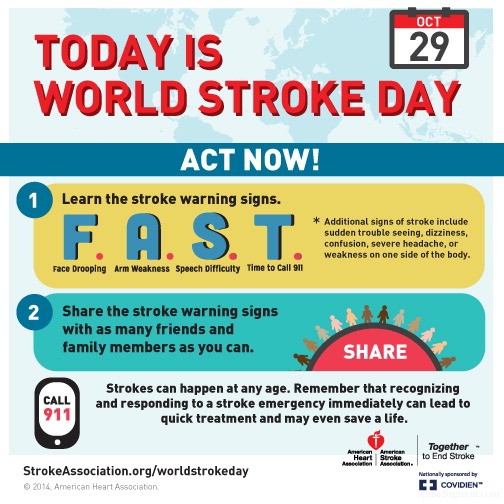
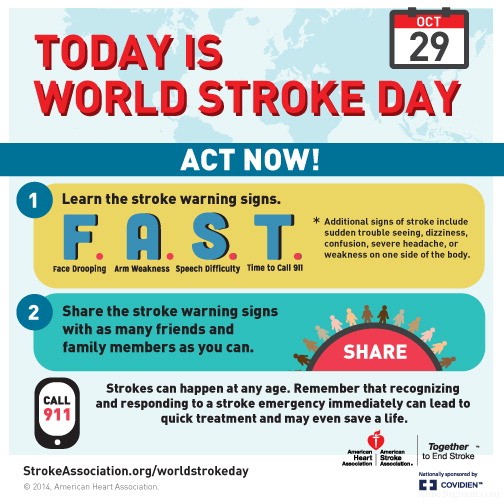
World Stroke Day

World Stroke Dday attach to FB Mark World Stroke Day by learning the warning signs of stroke. Remember F.A.S.T

  • Face drooping
  • Arm weakness
  • Speech difficulty
  • Time to get help: Call 9-1-1

Now, share what you’ve learned with someone you love. You’ll feel good; and you may even save a life.

I learned about the warning signs for stroke the hard way. Read more about my experience here. http://bit.ly/13g0hBC