Blood clots can kill. Know your risks and manage them.


Blood clots are no joke.

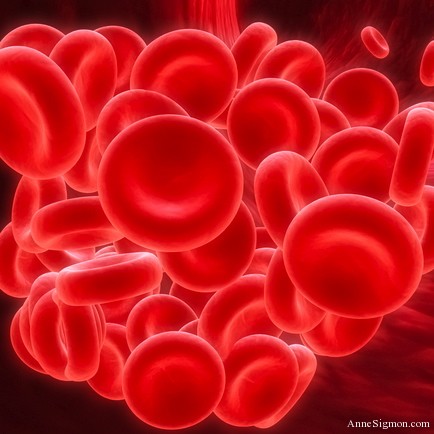
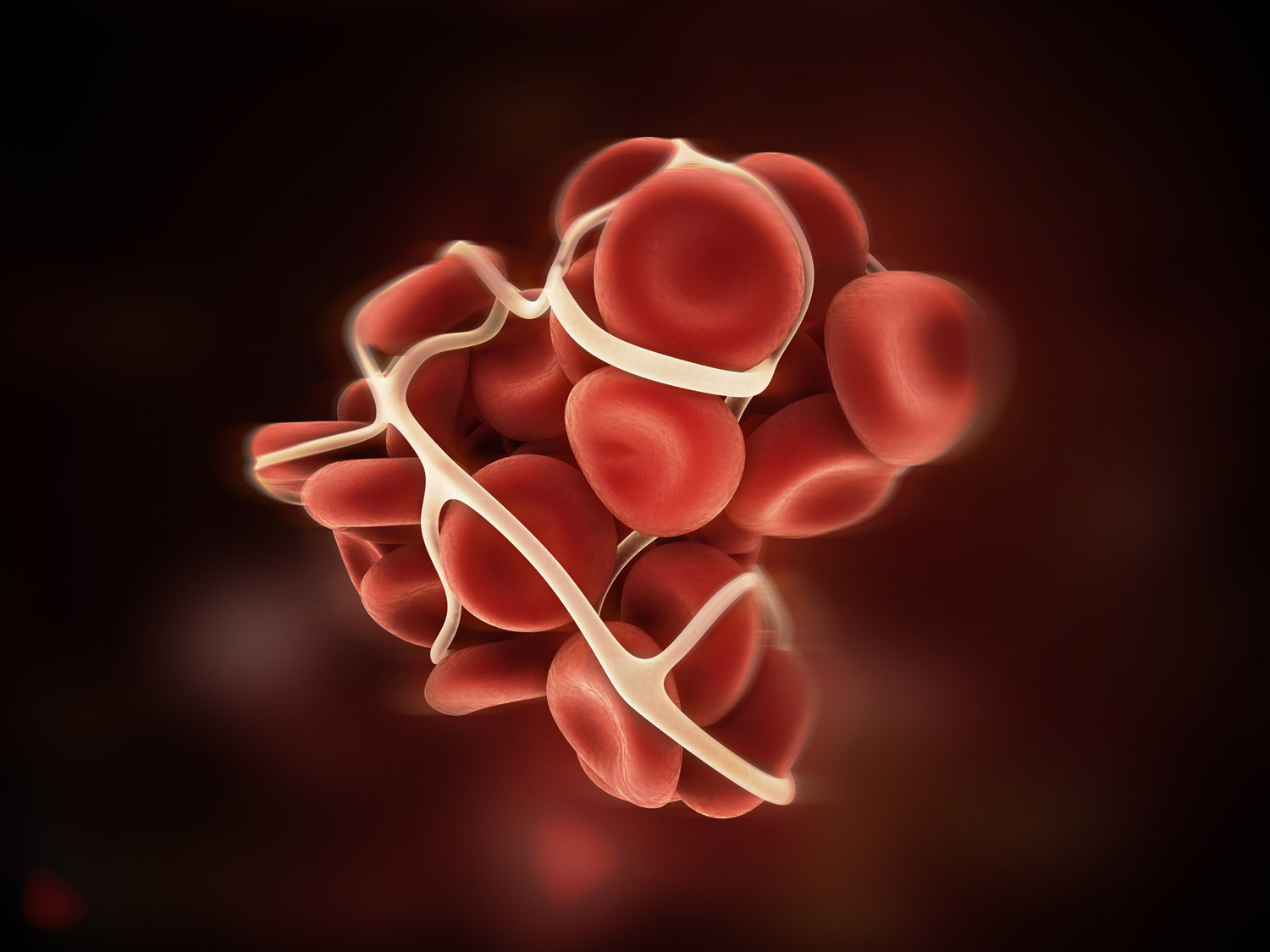
The toll is staggering: More than two million people in the US suffer serious blood clots each year, from deep vein thrombosis (DVT), pulmonary embolism (PE) or stroke.

Almost half a million of them die.

The most important way to protect yourself is to know your risks and manage them.

I had no idea I was at risk for blood clots until I had an ischemic (caused by a clot) stroke. Even as it happened, as the paramedics and the neurologist were telling I was having a stroke, I knew they were wrong:

Of course I’m not having a stroke, I wanted to tell him. Strokes are for the elderly, for smokers, for overweight couch potatoes. I’m forty-eight years old, fit, and perfectly healthy. But the words were trapped in my head.

Excerpt from Scrambing Back

I was the one who was wrong that day. I was fit, but I had several risk factors for blood clots that had never crossed my mind.

The first step in preventing blood clots is to know your risk.

Risk factors for blood clots:

  • Being over 60 years old
  • Having cancer
  • Obesity, especially with a BMI (body mass index) of 30 or more
  • Dehydration
  • Thrombophilia —any a condition that causes your blood to clot more easily than normal. Common causes of thrombophilia include:
    — genetic mutations such as Factor V Leiden, prothrombin 20210, or protein C or protein S deficiency
    — Acquired blood-clotting disorders such as antiphospholipid syndrome (APS)
    — High levels of homocysteine in the blood
  • Health problems such as heart disease, lung problems, or a serious infection
  • Having an autoimmune disease or another inflammatory condition
  • Personal history of blood clots: deep vein thrombosis (DVT),  pulmonary embolism (PE),  or stroke
  • Family history of blood clots
  • Taking birth control pills containing estrogen
  • Using hormone replacement therapy (HRT)
  • Varicose veins with phlebitis (inflammation)
  • Being pregnant or having given birth within the past 6 weeks
  • Being less mobile than normal, especially if you move around very little for more than 3 days
  • Having abdominal surgery or surgery for an inflammatory condition
  • Having any surgery that lasts more than an hour and a half, or more than an hour if it involves your legs or pelvis.

Learn more about the risk and prevention of blood clots here:

Mayo Clinic: Risk Factors for DVT  and Risk Factors for Pulmonary Embolism

Lund University: Increased risk of blood clots on the lung (PE) for patients with autoimmune diseases

Clot Connect, sponsored by the Hemophilia and Thrombosis Center at the University of North Carolina at Chapel Hill: Symptoms, Risk Factors and Prevention

APS Foundation of America:  Risk Factors for DVT

Prevent DVT.org: Assess Your DVT Risk

Coming next week on AnneSigmon.com: Strategies for preventing blood clots

Trouble Spelling After a Stroke? New Research Tells Us Why


Spellings ABCsFrom winning spelling bees in grammar school to my jobs as writer and editor, I’d always been a good speller. That ability vanished in the aftermath of my stroke. I worked hard on my “deficits”after the stroke,  and there were many. I grappled for words, stuttered as a struggled to pronounce them, battled to hit the right letters on the keyboard, and fought to spell even simple words.

Today, thirteen years later, I’ve recovered so much, and I am truly grateful. But I still have trouble spelling. Not just the hard words, either. Sometimes it’s a word as simple as “because” or “weather.” New research may help explain why.

A  study by Johns Hopkins neuroscientists is uncovering the source of the damage that causes spelling difficulties after stroke. Surprisingly, it’s not one source but several.

By studying stroke victims who have lost the ability to spell, researchers have pinpointed the parts of the brain that control how we write words.

“When something goes wrong with spelling, it’s not one thing that always happens — different things can happen and they come from different breakdowns in the brain’s machinery,” said lead author Brenda Rapp, a professor in the Johns Hopkins Department of Cognitive Sciences. “Depending on what part breaks, you’ll have different symptoms.

“With long-term memory difficulties, people can’t remember how to spell words they used to know and tend to make educated guesses,” she said. “With working memory issues, people know how to spell words but they have trouble choosing the correct letters or assembling the letters in the correct order.”

These two sources of difficulty come from damage to very different parts of the brain, the study shows.

“I was surprised to see how distant and distinct the brain regions are that support these two sub-components of the writing process,” Rapp said.

Spelling research

Left: A composite image showing the brain lesions of people with spelling difficulty after strokes. Right: An image of a healthy brain depicting the regions typically active during spelling.   Credit: Johns Hopkins University

These findings offer some of the first clear evidence of how the brain spells, an understanding that could lead to improved behavioral treatments after brain damage and more effective ways to teach spelling.

More information about the Johns Hopkins study can be found here:

http://bit.ly/1QH9lXi


Time to Celebrate: New Bradt Guides Anthology Includes Stories By Anne Sigmon and MJ Pramik


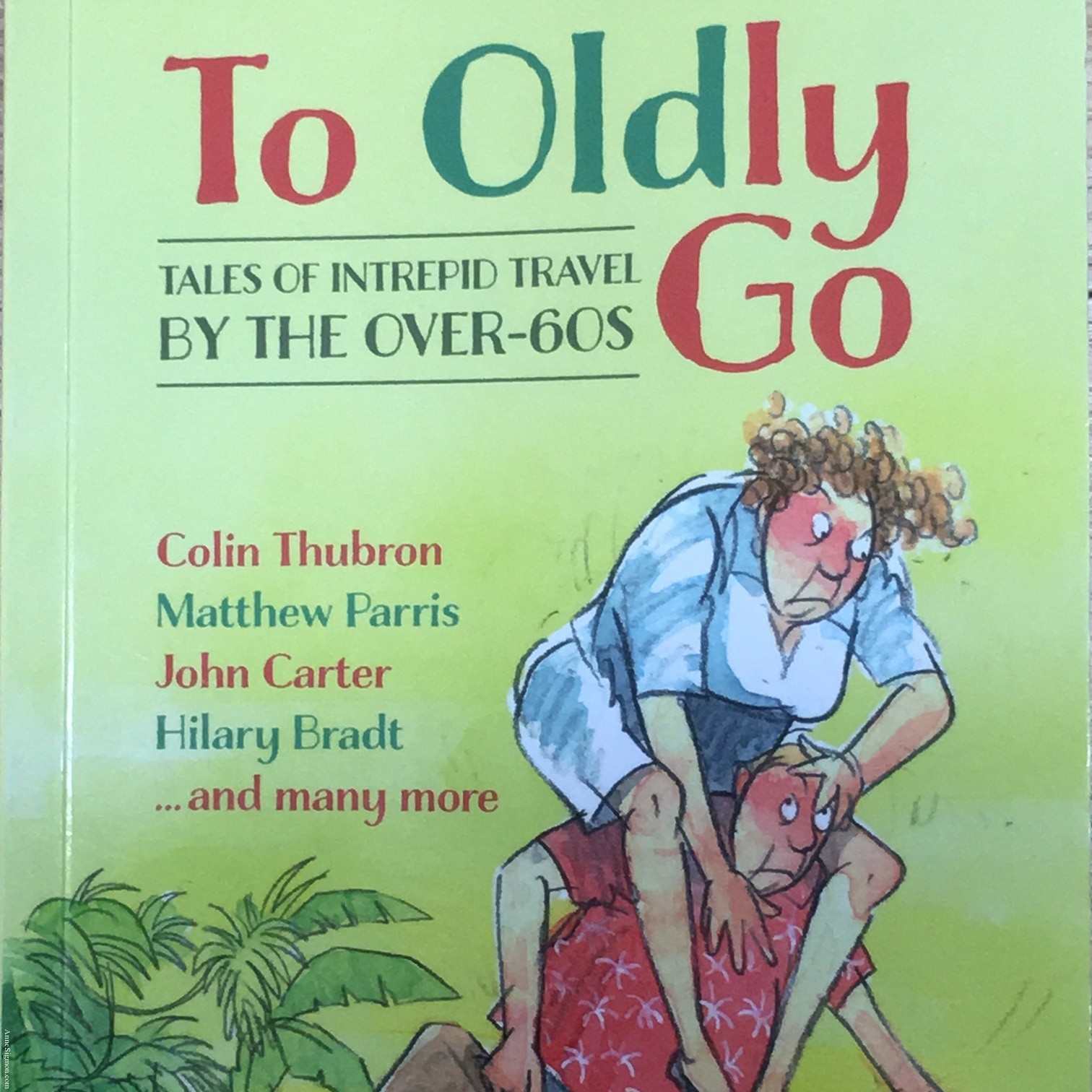
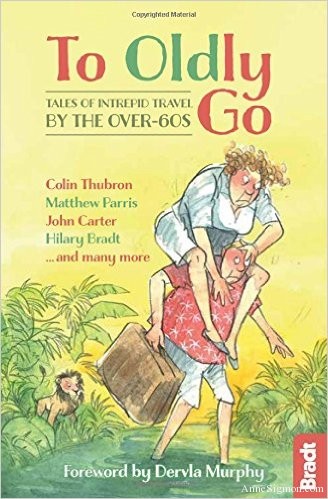
I and my greTo Oldly Go Book Coverat writing friend MJ Pramik are delighted to join distinguished British and international travel writers between the covers of the new travel anthology To Oldly Go, just published in the US by Bradt Guides.

While we don’t really think of ourselves as “oldlys,” we’re proud to be part of this collection of 41 true travel tales from the over-60 crowd: Dervla Murphy traveling in Cuba at the age of 74, Matthew Parris swimming the Thames at 60, and Colin Thubron climbing the last stronghold of the Assassins.

From the publisher: To Oldly Go is a collection of challenging and unusual travel escapades by the over-60s. Some stories are thrilling, some thought-provoking, and some just plain fun, but all celebrate an irrepressible appetite among people who refuse to retire quietly… These writers who defying expectations—and the odds—venturing outside their comfort zones onto a less-travelled path.

From Alaska to Zimbabwe, the writers walked, cycled, canoed, and climbed their way into adventure on the road.

My story in the book is “The Hat,” about some of the challenges—and unexpected rewards—of trying to keep up with my husband’s insatiable curiosity, and seemingly endless energy, while touring ancient Hindu temple in South India’s searing heat. That kind of debilitating heat was, my doctor had warned, strictly taboo for me—a stroke and autoimmune patient with water-thin blood.

MJ’s story is “Parahawking in Nepal,” her tale of setting aside her great fear of heights to take a running jump off a cliff in Nepal to glide in view of the Annapurna mountains in tandem with Kevin, a white-feathered Egyptian vulture with a five-foot wingspan. Kevin flew in to nibble water buffalo treats from MJ’s gloved hand while they soared hundreds of feet above the ground.

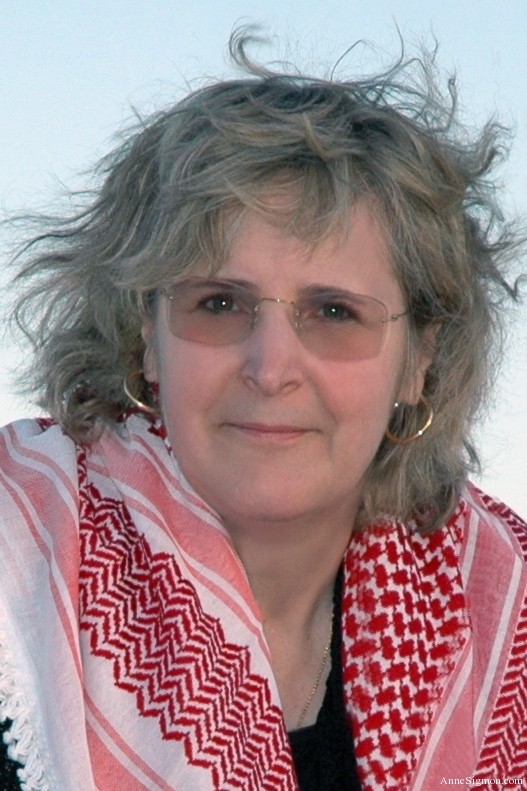
Anne at Wadi Rum Jordan 1210 - 12D
Anne Sigmon
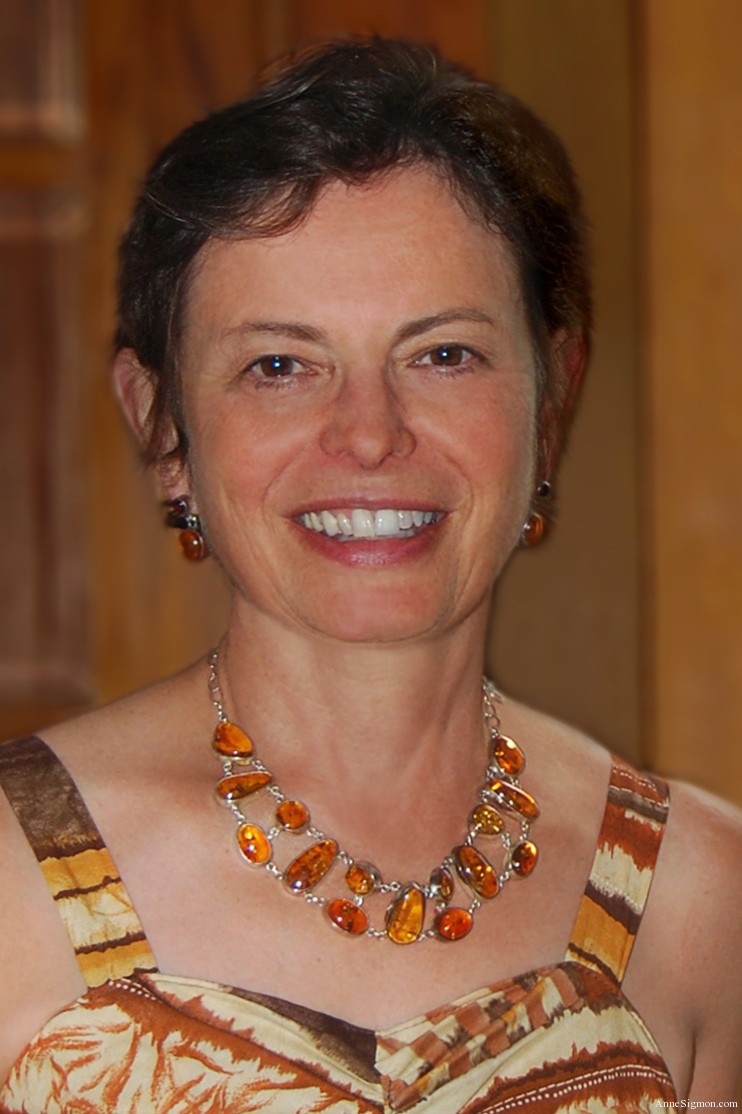
MJ Pramik author headshot
MJ PRamik

MJ and I will participate in two upcoming event to celebrate publication of To Oldly Go.

  • On Sunday, February 21, 2016 , from 12  to 2 pm, we’ll appear on the radio program Lilycat on Stuff  on FCC Radio. We’ll talk with host Lilycat about travel, writing, and the new anthology. Lilycat is broadcasting from Studio 1-A. You can use this link to listen live. If you can’t tune in on Sunday, you can catch up with the podcast here.


  • On Thursday evening, March 3, Left Coast Writers will celebrate publication of the new anthology with a  book launch party at Book Passage’s San Francisco Store, 1 Ferry Building, San Francisco, CA 94111. Phone: (415) 835-1020. Start time is 6 pm.

There’ll be wine, international-themed snacks (including chocolate, of course!), prize drawings (could a Cuban cigar be involved?), music, and other surprises. MJ and Anne will read selections from their own stories and those of esteemed writers like Hilary Bradt, Colin Thubron, and Devla Murphy.

The party is free and open to the public, so come and bring your friends. It’s an easy walk from Embarcadero BART or the parking lot directly across the street (Ace Parking Washington at Embarcadero).

Hope to see you there.


Patient Survey about Blood Thinner Preferences

Blod clot 32 shutterstock_3010784 - Version 2Patients who take blood thinners because they’ve had deep vein thrombosis (DVT) or pulmonary embolism (PE) are being recruited for a new survey about blood thinner preferences.

The study is being conducted at the University of Minnesota by Dr. Pamela Lutsey.  The goal of the study is to learn more about patients’ concerns and preferences regarding blood thinner use for the treatment of DVT and PE.

According to Dr. Stephan Moll of the University of North Carolina, the results will help investigators better create future clinical studies to improve  treatment of DVT and PE.

DVY and PE patients can access the secure survey site here: z.umn.edu/vtesurvey.


My Introduction to Antiphospholipid Syndrome

EDITED APS living with


My experience with Antiphospholipid Syndrome—APS—began thirteen years ago with the cataclysm of a stroke. As the new year opened, I was 48 years old and the picture of health: a trim, fit, non-smoker with perfect blood pressure and no obvious risk factors any disease I knew of. I had a challenging consulting practice in marketing and public relations.  My grandparents and great-parents had lived to healthy old age; I imagined that would be my future, too.

Then—out of the blue—I was slammed by a full-on a stroke. On that eerie morning when the stroke hit, I was lost in a mental whiteout, unable to remember my address, my husband’s name, or how to dial 9-1-1. I had no idea what was wrong. Alone in the house and profoundly confused, but not yet panicked, I managed to get help by dialing “O” for an operator. The terror set in when I tried to speak and realized my words were nothing but gibberish. My heart thumped. Oh, God. She’s going to hang up. She must think I’m a kid playing with the phone, or a crank, or a drunk. Instead, the operator traced the call and sent an ambulance.

When the paramedic told me he thought I was having a stroke, I thought he was nuts.

Of course I’m not having a stroke, I wanted to tell him. Strokes are for the elderly, for smokers, for overweight couch potatoes. I’m forty-eight years old, fit, and perfectly healthy. Perfectly healthy people don’t wake up one morning and have a stroke. But the words were trapped in my head.

At the hospital, the ER neurologist was also stumped. She’d learned that I was taking birth control pills, which can be a risk factor for stroke. But when all my tests of heart and lung function were normal, she still wasn’t satisfied. Somehow she doubted birth control pills told the whole story.

Three weeks after the stroke, she sent me to a hematologist who, after more blood tests and a very detailed health history, diagnosed Antiphospholipid Syndrome­–APS–on the spot. How? For at least 20 years, he told me, I’d had subtle symptoms that pointed to an autoimmune illness and APS.

As part of APS Awareness Month, here are some topics to be aware of:

  • What is APS?
  • APS symptoms
  • How APS is diagnosed
  • How APS is treated
  • Resources for APS patients
  • Blood thinning: it’s more complicated than it looks
  • Living with Coumadin
  • Why I rejected the new blood thinners like Xaralto.


I hope you’ll check back. And, if you or someone else in your life has APS, I’d love to hear about your experience.


World Stroke Day

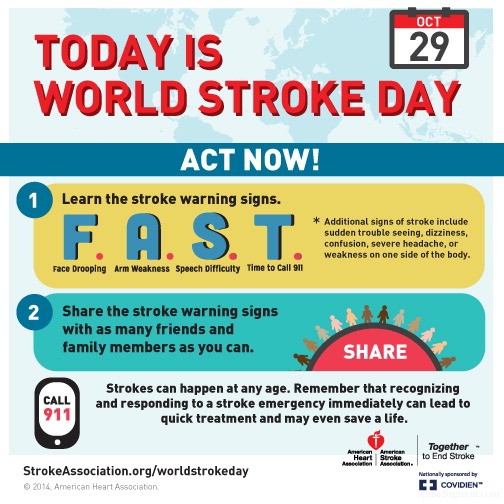
World Stroke Dday attach to FB Mark World Stroke Day by learning the warning signs of stroke. Remember F.A.S.T

  • Face drooping
  • Arm weakness
  • Speech difficulty
  • Time to get help: Call 9-1-1

Now, share what you’ve learned with someone you love. You’ll feel good; and you may even save a life.

I learned about the warning signs for stroke the hard way. Read more about my experience here. http://bit.ly/13g0hBC


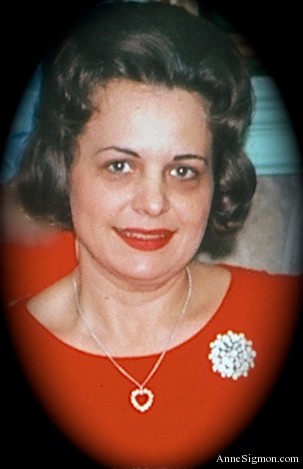
Angel Song: A Tribute to My Mother

mauve roses #2 - Version 2              Betty Hale Sigmon: 1927-2014.

We had mom to thank for her lovely memorial service last Friday—she planned it herself and left detailed notes. She asked for a vase of mauve roses on the piano, then warned: “Be sure to put a coaster or cloth under the vase to protect the wood.”

Pure Mom. As my sister, Ellen, and I surveyed the preparations, I checked to be sure the cloth was there. It was. I looked up and smiled. “OK, Mom, you can rest easy now; the finish on the piano is safe.”

Faith hope loveMom asked that, at her memorial service, I read the cherished Bible text I Corinthians, Chapter 13, one of the most elegant passages in literature about the power of love. It speaks very personally to me of the love my mother had for the church, for her extended family, for my sister and me, and especially for our Dad. I think it also speaks to her love of music, one of her greatest gifts.

A few days ago, I was chatting with one of mom’s best friends about the music for her memorial. “Well, you know, she was a bit of a perfectionist.” Oh, yes. Most infuriating to my sister and me, as Mom constantly thought ahead, considering the tiny details, making notes—whether of a musical performance, a Girl Scout Cookie sale, a vacation, or wedding—even her own funeral—she was usually right.

When I tMom Christmas 1964hink about our mother, what she lived for, and what made her happy, I think of three things: family, music, and church, often all at the same time.

I could talk about how she loved family parties with the dining room done up for the occasion. Or how she lead Girl Scout camping trips and chorale groups. Or how, in our pre-teen years she hauled us, and our friends, everywhere because the other mothers were too busy.

But, like many of her friends, when I think of Mom, it’s her music that plays in my head.

She was a gifted pianist and contralto vocalist. Wherever we lived, she was involved in our church’s music, as a choir member, soloist, pianist, bell-ringer, and director of children’s choirs.

One of my most magical memories, when I was about seven years old, is of sitting in a darkened sanctuary one Christmas season, entranced by her solo of “O Holy Night.” I was convinced she was an angel…

Until the next week, when she really put me through my paces at piano practice trying to make up for my holiday slacking. Well, maybe she just sings like an angel, I thought.

As herMom at erlectric piano voice aged, she resisted singing in public. But she still sang—beautifully—for the family, especially at Christmas, her signature carol, “Come to the Stable.”

In one of my last memories of her, two weeks before she died, she sat at her piano playing a hymn and singing silently along.

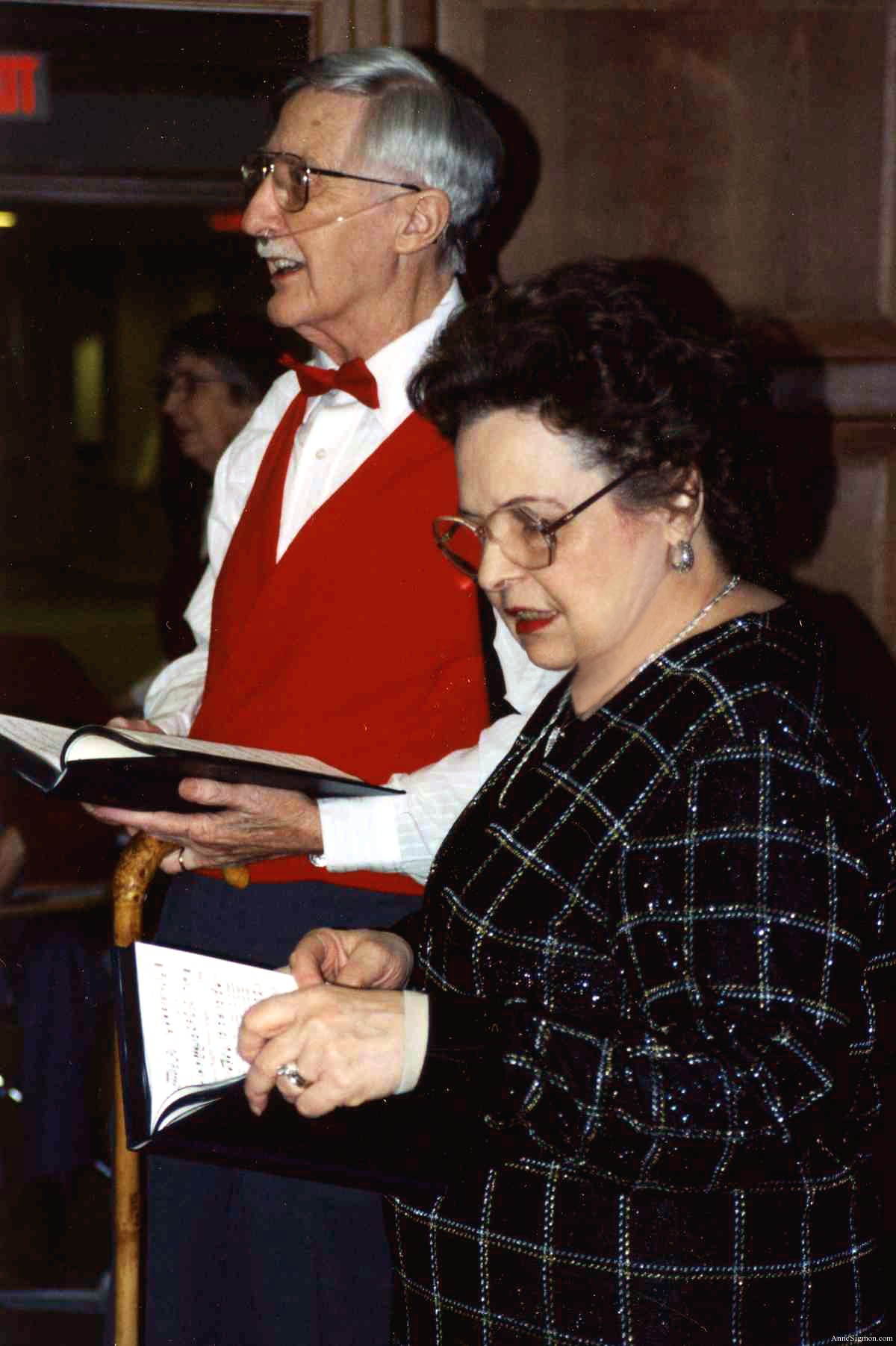
Mom & Dad sing xmas 96 220AP


Now she’s singing with the angels. And I bet she’s got her pitch pipe to make sure they stay in key. Daddy’s sitting in the congregation smiling up at her, like always. There they are, together, forever.

God bless, we love you both.

Lupus patients: New study shows that antiphospholipid antibodies can complicate health

A recen6 ss wolf's eye-smt study conducted in Hungary has found that Lupus patients who also have antiphospholipid syndrome (APS)—or who are positive for aPL antibodies even without an APS diagnosis—face added health risks unrelated to blood clots.

APS increases the risk of blood clots that can cause miscarriage, deep vein thrombosis (DVT), pulmonary embolism, heart attack, and stroke.

But the Hungarian study found other other health health complications—such as  haemolytic anaemia, thrombocytopenia and endocarditis— occur more frequently in lupus patients who are aPL positive.

In addition, the study found that lupus patients who have full-blown APS are predisposed to more severe SLE manifestations including pleuritis, interstitial lung disease, myocarditis, nephritis, and organic brain syndrome.

The study was conducted at theDepartment of Rheumatology, University of Szeged, Faculty of Medicine, Albert Szent-Györgyi Health Centre, Szeged, Hungary.

The results of the study were announced in the journal Lupus.

Read more about the study here:http://bit.ly/1gWVIP0


A Merry Christmas to All

Ellen's christmas tree
My sister, Ellen’s, Christmas tree

Wishing you the simple pleasures of holidays past — sparkling stars above, a crackling fire, and loved ones close by.

Spending time with my family in North Carolina, I’m remembering Christmases past thinking of holidays yet to come.

My take on one Christmas shopping experience, “Sky Shopping,” appears this month on the Southern Sampler Artists Colony e-zine at:

http://bit.ly/1eCIr3g

Merry Christmas to all!

Celebrate the Holidays in Parisian Style this Thursday, Deceber 12, at Alliance Francaise

Eiffel Tower in Winter
America is my country and Paris is my hometown.
Gertrude Stein

Alliance Francaise and the Wanderland Writers will ring in the holidays in style this Thursday, December 12, with une fête de Noël and readings from the new travel anthology Wandering in Paris: Luminaries and Love in the City of Light.

It will be a spirited evening of music, cocktails, hors d’oeuvres, door prizes, and readings. Please join us—the event is free and open to the public.

The readings will visit the enchanting worlds of the Paris Opera; the salons of Thomas Jefferson, Berte Morisot, Gertrude Stein and Anaïs Nin; Paris culture du moment, as well as transplanted cultures ranging from a hammam to a Gorille Blanc.

I’ll be reading along with editors Linda Watanabe McFerrin and Joanna Biggar and other authors including Unity Barry, Antoinette Constable, Kitty Hughes, Laurie McAndish King and Cindy Racicot. Hope to see you there.

If you’ll be in the Bay Area that evening, please join us for delicious bites and delightful tales.

Holiday Party & Book Celebration:

Paris good cover Reading from Wandering in Paris: Luminaries and Love in the City of Light

Thursday, December 12, 6-8 p.m.

Alliance Francaise
1345 Bush Street (between Polk and Larkin)
San Francisco, CA 94109
Telephone: (415) 775-7755

Parking is available across the street at 1340 Bush Street